

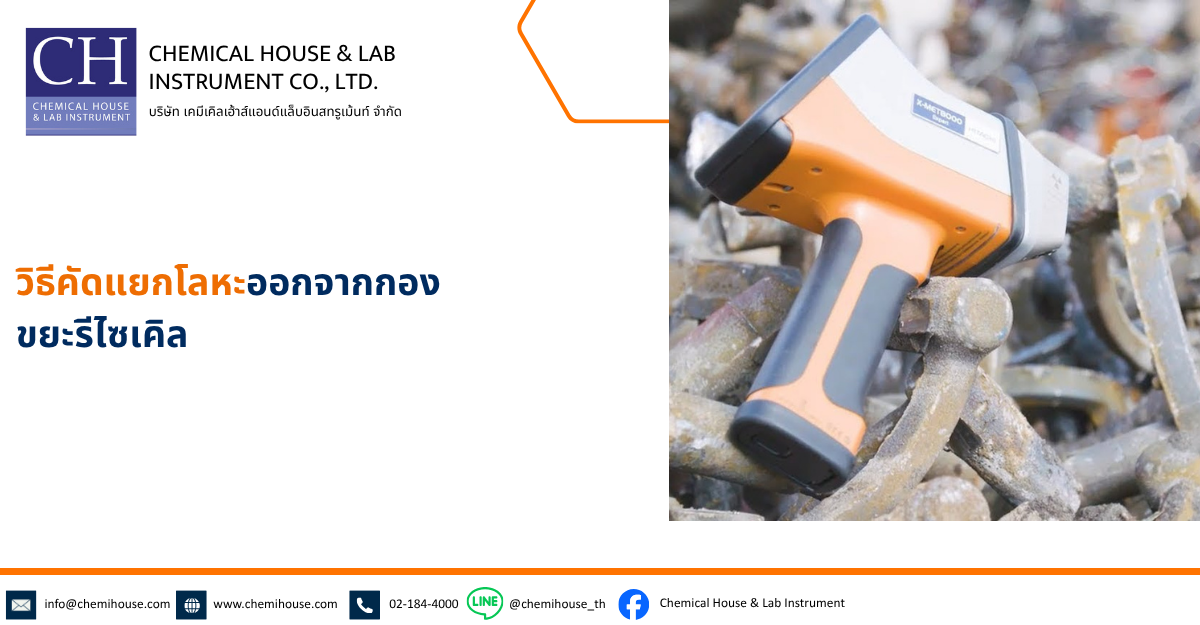

How to Sort Metals from Recycling Waste
For scrap dealers, knowing the type of metal may not be enough. Buyers may set their prices based on the metal grade or impurities. Sorting metals correctly from the start can help you sell them for a better profit.
1.Prepare the Work Area and Remove Non-Metal Materials
Divide the work area into sections for receiving materials, sorting, and storing sorted metals. Label each section clearly, such as copper, brass, aluminium, steel, stainless steel, and awaiting inspection. Clear sorting areas help keep materials organised and reduce mistakes.
Start by removing plastic, paper, wood, rubber, and other materials that are easy to separate. Set aside mixed-material items, such as cables, motors, or parts containing both metal and plastic. Then decide whether they are worth taking apart or should be sold as complete parts. Keep batteries, chemical containers, and pressurised cylinders separate from general sorting work.
2.Sort Metals into Groups
Start by sorting metals into basic groups, such as steel, copper, brass, aluminium, and stainless steel. You do not need to identify the grade of every piece at this stage. Set aside any items you cannot identify for further testing.
This approach helps speed up sorting and reduces confusion before moving on to metal grade identification.
3.Separate Copper, Brass, Steel, Aluminium, and Stainless Steel
First, check the colour and compare the weight of pieces of a similar size. Make sure you look at the actual metal surface, as dirt or dark surface layers can make one metal look like another.
Metal Group | Basic Signs | What to Watch For |
Copper | Usually has a reddish-orange colour. Commonly found in electrical wires and some pipes. | Copper plating can make other metals look like copper. |
Brass | Usually has a golden-yellow colour. Commonly found in fittings, valves, and other parts. | The colour varies with its composition and cannot confirm the grade. |
Common steel | Usually attracts a magnet and may have reddish-brown rust. | Magnetic attraction alone does not prove that a material is ordinary steel. |
Aluminium | Usually silver in colour and lighter than steel or copper of a similar size. | Other silver-coloured metals may look similar. Weight also depends on the shape of the item. |
Stainless steel | Usually silver in colour. Commonly found in kitchenware, pipes, and industrial parts. | Some types attract a magnet, so a magnet alone cannot confirm the type or grade. |
The X-MET8000 handheld XRF metal analyzer can help identify metal types and grades accurately during sorting.
Choose the Right Metal Sorting Instrument for Your Work

Choose an XRF Analyser That Matches Your Sorting Needs
Before buying an XRF analyser, consider which metals your scrap business accepts and which grades you need to separate, such as stainless steel, brass, or aluminium. Then check whether the model can measure the elements needed to identify those grades. Different XRF models may have different capabilities.
Bring actual scrap samples for a demonstration. This lets you check how easy the instrument is to use, what surface preparation is needed, and how clearly the results are displayed.
XRF cannot measure carbon. If the grades you need to separate differ in carbon content, XRF results alone cannot confirm the grade.
How to Identify Similar-Looking Metal Grades with Handheld XRF
Handheld XRF helps separate similar-looking metal grades by measuring their elemental composition. For example, it can help distinguish between stainless steel grades 304 and 316.
1.Prepare and Clean the Surface to Reduce Sorting Errors
Prepare and clean the area you will test. Make sure the sample is stable and has enough surface area for the analyser’s measurement window.
For wires, metal shavings, or small pieces that do not fully cover the measurement window, ask a specialist about suitable sample preparation methods and sample holders before testing. Never place your hand behind or underneath a sample during measurement.
2.Start Testing and Sorting
Once the sample is ready, follow these steps:
- Check the instrument. Make sure the X-MET8000 XRF analyser is ready for use, then select the correct analysis mode for the task.
- Position the analyser on the prepared area. Keep the sample securely supported and test several points according to your inspection procedure. Do not lift the analyser while a measurement is in progress.
- Read the elemental analysis results. Review the measured element levels and save the results for future reference.
- Store the tested metals in separate groups. Label each group with the identified metal type or grade. Keep uncertain items separate for further testing to prevent them from mixing with confirmed grades.
Scrap dealers who want to reduce sorting errors or check metal grades before selling can contact Chemical House & Lab Instrument. Tell us which metals you need to sort, or bring actual samples so we can help assess which instrument suits your work before you make a purchase.