
How to Sort Beryllium Copper (BeCu) from Copper Scrap with Hitachi Vulcan LIBS
At a scrap yard’s receiving area, two pieces of metal can both look like copper. One might be pure copper, while the other is beryllium copper (BeCu) from a spring or an electrical contact. If you weigh and sell both pieces at the same price, you could miss out on the premium a specialist buyer may pay for a sorted lot with a verifiable grade.
To separate pure copper from BeCu, test directly for beryllium (Be) in the metal. Standard handheld XRF analyzers cannot measure Be directly. Hitachi lists the detection of Be in copper as an application for Vulcan handheld LIBS. Before choosing an analyzer, test it on the actual scrap and grades you plan to buy, especially if your buyer requires a Be percentage or documentation confirming the grade.
Handheld XRF limitations in copper analysis
How does about 2% beryllium change what copper can be used for?
C11000 (ETP) copper contains at least 99.90% copper and is used in applications that require high electrical conductivity. C17200 (Alloy 25) contains 1.80–2.00% Be by weight and can be age-hardened to increase its strength. This makes it suitable for parts that need to flex or withstand repeated loading, such as springs and electrical contacts.
The price of new material reflects its composition, heat treatment, and the properties required for the application. If a contract specifies hardness or tensile strength, use the chemical composition results alongside the required mechanical tests.
C11000 copper data from the Copper Development Association
What should you test to distinguish BeCu from pure copper?
| Grade | Be (% by weight) | What to check |
|---|---|---|
| C17200 (Alloy 25) | 1.80–2.00 | A Be result in this range supports identification as C17200. Check the other elements against the specification to confirm the grade. |
| C17500 (Alloy 10) | 0.40–0.70 | Check cobalt (Co) as well. The reference range is 2.40–2.70%. |
| C17510 (Alloy 3) | 0.20–0.60 | Check nickel (Ni) as well. The reference range is 1.40–2.20%. |
A result of about 0.50% Be falls within the range for both C17500 and C17510, so check Co and Ni to tell the grades apart. Include actual low-Be scrap in the analyzer demo. Detecting Be in C17200 alone does not show whether the analyzer can distinguish the two lower-Be grades.
How do handheld XRF and Hitachi Vulcan LIBS compare for detecting Be in copper?
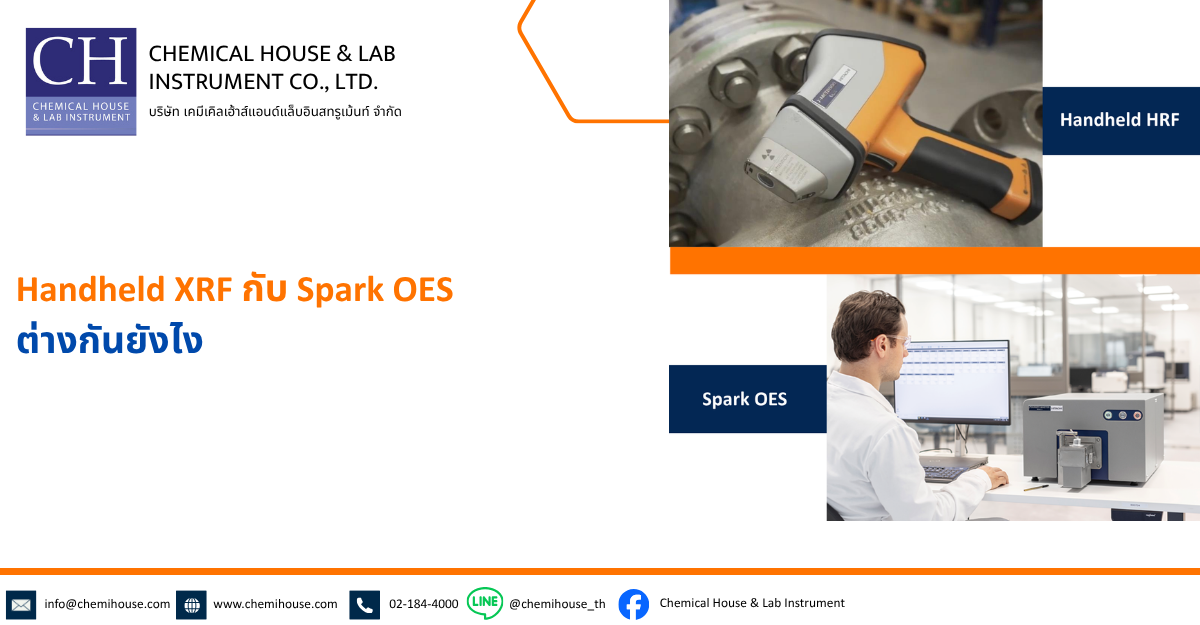
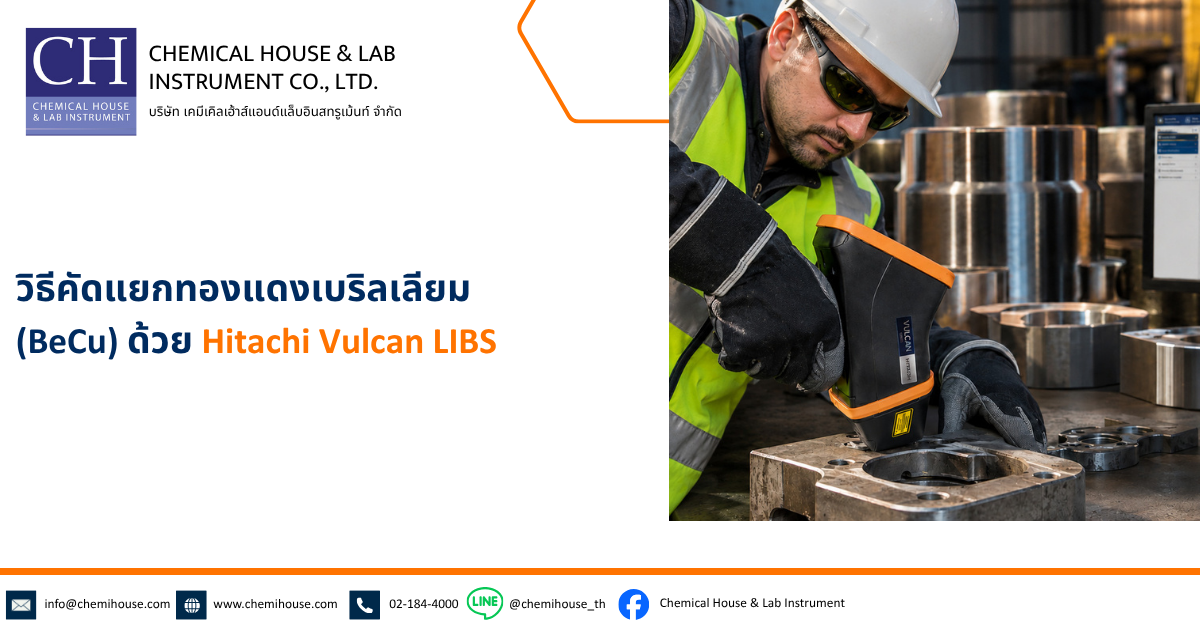
Depending on the test program, handheld XRF can sort brass using its zinc (Zn) content or identify tin bronze using its tin (Sn) content. When Be is the deciding element, a result that identifies the material as copper-based leaves its Be content unknown. Vulcan uses a pulsed laser to excite the metal surface and reads the light emitted by the elements. With a compatible model and test program, it can detect Be at the sorting station.
- Fast grade identification when checking multiple pieces. Hitachi specifies a grade identification time of about one second for supported measurements. Total time per piece depends on surface preparation and the test program. Time the full BeCu sorting process during the demo.
- Results at the sorting station. Place the probe against the piece, pull the trigger, and read the result on the screen. Use that result to sort the piece based on your facility’s criteria.
- X-ray-free measurement. Vulcan uses a LIBS laser that may leave a small mark on the surface.
Explore the Hitachi Vulcan handheld metal analyzer
How much more could you earn by sorting BeCu scrap?
New material and scrap are priced on different bases. In the example used for this article, new brass bar costs USD 11/kg and age-hardened C17200 BeCu costs USD 70/kg. That makes the new BeCu about 6.4 times as expensive. Scrap revenue depends on the price your buyer agrees to pay for the specific lot.
| Hypothetical example for 100 kg of recovered BeCu scrap | Assumed selling price (USD/kg) | Revenue per 100 kg |
|---|---|---|
| Sell with general copper scrap | 8.40 | USD 840 |
| Sort the BeCu and sell it to a buyer who accepts the grade | 9.20–15.00 | USD 920–1,500 |
| Additional revenue before costs | 0.80–6.60 | USD 80–660 |
These figures illustrate the calculation. The actual value depends on the grade, weight, condition of the lot, and the buyer’s offer. To estimate the return on the analyzer, multiply the weight you can sort and sell by the difference in selling price per kilogram. Then deduct any additional labor, transport, equipment, and other costs.
For manufacturers, the analyzer can also help verify incoming material grades before releasing them to production and sort process scrap by alloy. If you identify material containing Be, label and segregate the lot and inform the buyer. If the material needs to be cut, ground, or melted, follow your facility’s controls for exposure to beryllium dust and fumes. OSHA guidance on evaluating and controlling beryllium exposure
Request a Hitachi Vulcan quote and book a free demo with your copper scrap
If you’re looking for a copper scrap analyzer or have a lot that showed high copper content on handheld XRF and still needs Be testing, send the Chemihouse team photos of your samples, details about the parts, and the grades you need to separate.
If you have reference samples of known grades, bring them to test alongside your actual scrap. The demo can show whether the proposed model and test program can separate grades to your criteria, how long each piece takes to test, and whether the result provides a screening indication or a measured Be concentration.
Book a free copper scrap sorting demo