

How to Buy and Sell Stainless Steel at a Good Price
To make a profit when reselling stainless steel, start by finding out which grades your buyer needs. Check that the metal you purchase matches those grades. Then work out your purchase price based on the price your buyer is willing to pay.
For scrap dealers and recycling plants, buying stainless steel at a good price means considering both the people selling scrap to you and the buyers you will sell it to. Identifying metal types and checking grades helps you set a suitable price and reduces the risk of buying the wrong grade, which can reduce your profit.
1.Know Who You Will Sell to Before Buying
Before setting your purchase price, make sure you have the following details:
- Accepted grades: Which stainless steel grades does your buyer accept?
- Required condition and scrap type: Does your buyer accept whole parts, offcuts, or machining chips? Do other materials need to be removed first?
- Price and payment terms: How much will your buyer pay, and how and when will payment be made?
2. Check and Separate Other Metals from the Stainless Steel
Check the pile for other types of metal. Set up separate storage areas and label each group clearly. Keep any metal you cannot identify in a separate area until it can be checked.
Use a Magnet for Initial Sorting
A magnet can help you sort a pile of metal before checking the grades in more detail. Separate the pieces into two groups: those attracted to a magnet and those that are not. This makes it easier to check mixed materials in an organized way.
To test a piece, place the magnet directly against the metal itself. Avoid attached nuts or steel parts, as these may make it seem that the whole piece is magnetic.
However, do not immediately sell magnetic pieces as ordinary steel. Grade 430 stainless steel is also magnetic, and grade 304 may be slightly magnetic in areas that have been bent or folded.
A magnet is therefore only useful for initial sorting. To confirm the stainless steel grade, especially when separating 304 from 316, check its chemical composition before storing it by grade and setting a purchase price.
3.Check the Chemical Composition to Separate Higher-Value Stainless Steel Grades
After the initial sorting, the next step is to check the chemical composition of stainless steel pieces that look similar.
An XRF analyzer uses X-rays to excite the sample and reads the signals it produces. The results show which elements the instrument can detect and how much of each is present. This information helps identify the alloy grade.
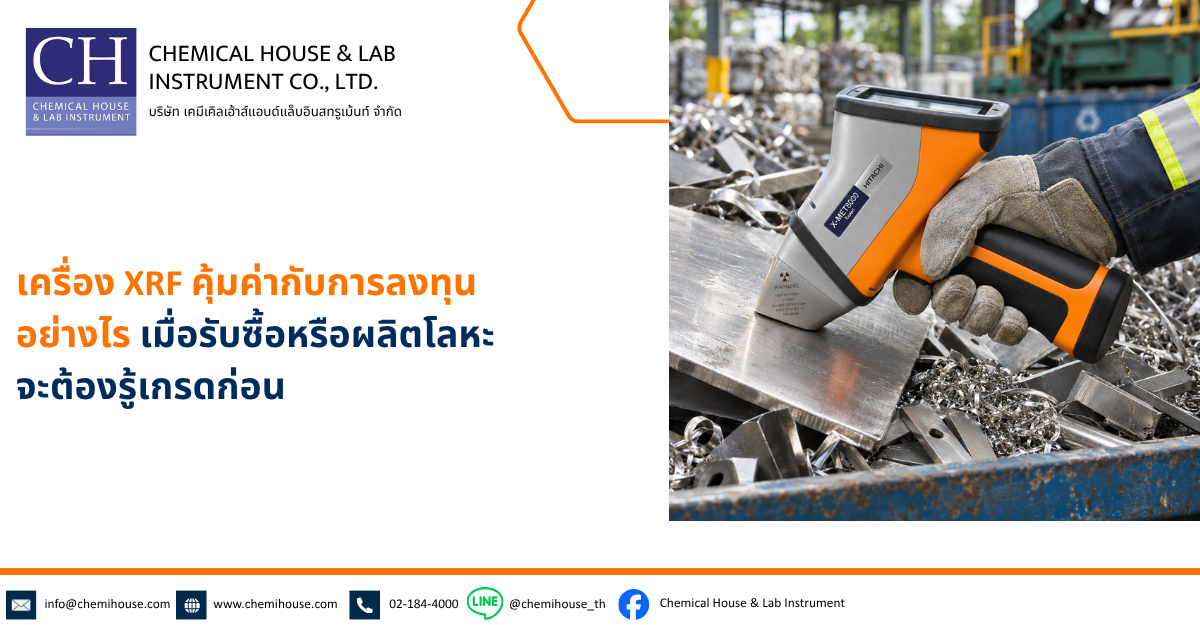
The X-MET8000 handheld XRF analyzer is designed to analyze chemical composition and identify metal grades. It can be used at scrap buying points or sorting areas. The settings and testing method must suit the sample and follow the manufacturer’s instructions.
Knowing the grade helps you sort materials to meet your buyer’s requirements. However, the selling price also depends on current buying prices, cleanliness, quantity, and scrap condition. Use the test results together with actual buying and selling information.
Prepare the Sample Surface Properly
Choose a test area on the metal you want to check, then remove dirt and oil.
If the surface has paint or a coating, use a suitable method to expose the metal underneath. Follow the manufacturer’s instructions and choose a method that suits the piece. Coatings may affect the results, so they may not reflect the composition of the metal below. The X-MET8000 manufacturer advises removing paint or coatings before analyzing the base metal.
Avoid using a result from a weld or an attached part made of a different material to represent the whole piece. If an item has several parts, test separately any sections that may be made of different materials.
For small, thin, or unusually shaped pieces, use the positioning method and sample support described in the manual. Do not improvise a way to hold the sample.
Use XRF to Analyze and Sort Stainless Steel Grades 304, 316, 201, and 430
Only trained operators should use the instrument, following the manual and safety requirements. Check both the grade suggested by the analyzer and the measured chemical composition.
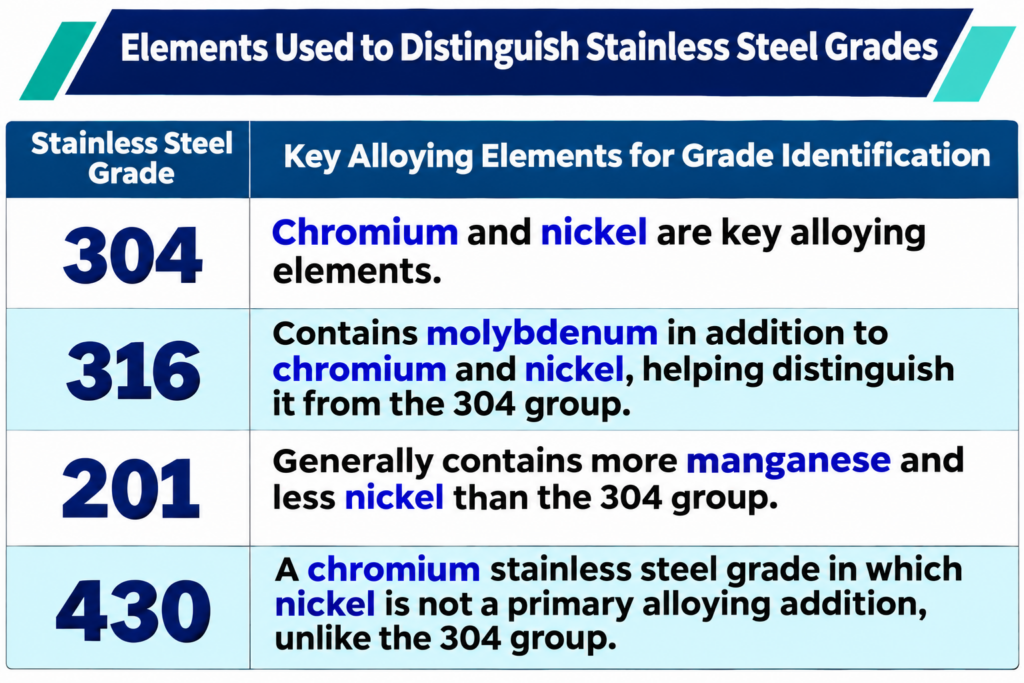
The following differences help explain how these stainless steel grades can be distinguished:
4.Check Market Prices and Allow for All Costs Before Setting Your Purchase Price
Before making an offer for each batch, ask your final buyer for a price based on the same stainless steel grade and material condition. Also check how long that price is valid.
Do not use the price of clean, grade-sorted stainless steel scrap to value a mixed pile without allowing for sorting costs and the weight of materials that must be removed.
If your business buys several stainless steel grades that are difficult to tell apart by sight, contact Chemical House for advice on the X-MET8000 handheld metal analyzer. Let us know the types of scrap you handle and the grades you need to separate, so we can help assess whether the instrument suits your work before you invest.