Common Causes of Errors in Viscosity Measurements
Accurate viscosity measurements depend on more than instrument performance alone. Temperature control, sample preparation, and the choice of test method all play a role. When these factors are not properly controlled, results may be inaccurate or inconsistent. Understanding what affects viscosity measurements is an essential first step toward reducing errors and improving the reliability of test results.
Why Do Viscosity Readings Vary Between Tests?
Viscosity readings need to be considered alongside the test conditions, as the viscosity of some fluids changes with temperature or shear rate. Even when samples come from the same container, differences in temperature or testing procedures can lead to different results.
Factors That Can Cause Viscosity Measurement Errors
To identify the cause, start by reviewing the actual test conditions in your laboratory and comparing them with your laboratory’s standard operating procedures. Key factors to check include the following.
Temperature Stability During Testing
Common fluids, such as lubricating oils, generally become less viscous as their temperature increases. If a measurement begins before the sample reaches the specified temperature, the result may differ from a reading taken after the temperature has stabilized.
Simply setting the temperature bath to the value specified in the test method is not enough. The sample and measuring system must remain in the bath long enough to reach the set temperature.
Establish clear temperature equilibration procedures and criteria for starting measurements in accordance with the test method. Record the temperature at which each measurement is taken.
Air Bubbles, Contamination, and Inconsistent Sample Preparation
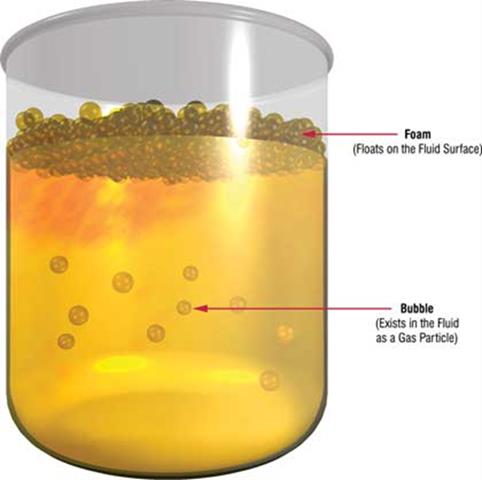
Air bubbles can interfere with contact between the sample and the measuring system. Residue from previous samples or traces of cleaning solvent can also change the sample’s composition. Meanwhile, vigorous stirring or differences in resting time can leave some samples in different conditions before testing.
Use clean containers and measuring systems, follow a consistent sample preparation procedure, and remove air bubbles using a method that does not alter the sample’s structure. Avoid adding solvents or applying heat solely to remove bubbles.
Unsuitable Measuring Systems, Measurement Ranges, or Instrument Conditions
For capillary viscometers, check that the sample’s viscosity falls within the instrument’s supported range at the test temperature. If the sample contains particles or contaminants that could block the flow path, confirm its suitability for the test method before proceeding. These materials may disrupt the flow and compromise the reliability of the results.
Measuring cell cleanliness also affects testing. Residue from previous samples or remaining cleaning solvent may mix with a new sample and affect its viscosity. Even when an instrument has automatic cleaning and drying functions, users still need to select suitable solvents and cleaning procedures for the sample to support accurate results.
Can Samples Containing Particles Be Measured Accurately?
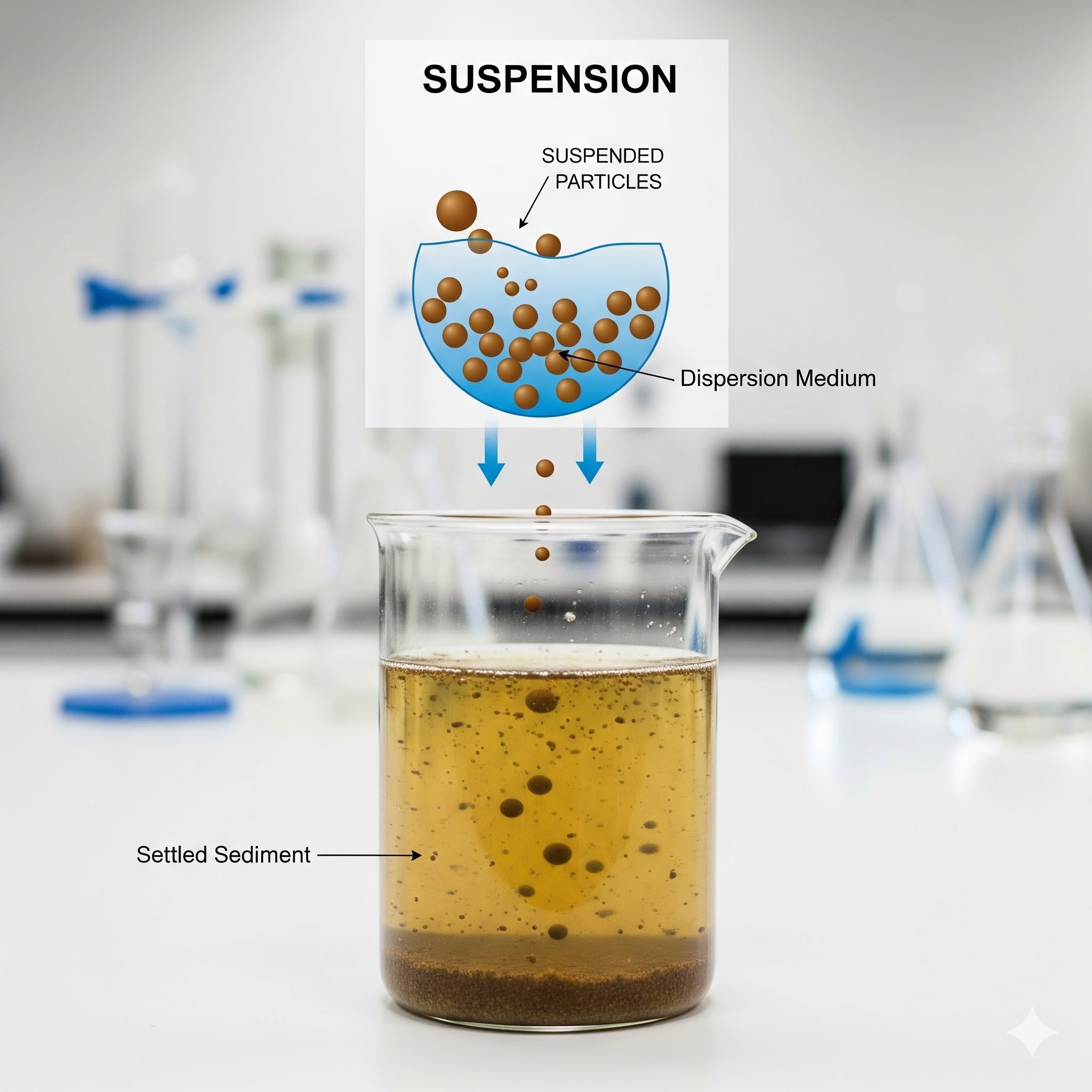
Samples containing particles can be tested for viscosity, provided that the method and measuring system are suitable. The sample must also remain representative of the actual product.
If particles are an intended part of the product, filtering them out simply to make testing easier may produce results that do not reflect the product’s viscosity. This is because the tested sample no longer has the same composition as the original product.
Choose a Measuring System Suitable for the Particles in Your Sample
When choosing a measuring system, consider particle size relative to the measurement gap, as well as the potential for settling and wall slip at the measuring surfaces.
Depending on the sample, a concentric cylinder, parallel plate, or vane measuring system may be suitable. Seek specialist guidance when selecting a system, as different viscometers use different measurement principles.
Read more: How to Choose the Right Viscosity Measurement Method for Your Sample
If you are interested in the OptiMVD capillary viscometer, contact Chemical House for more information.
Facebook: Chemical House & Lab Instrument
Line OA: @chemihouse_th
Phone: 02-184-4000
Email: info@chemihouse.com