Hydrogen fuel is an alternative energy that can reduce reliance on fossil fuels in transport, industry, and power. It is not a primary energy source but an energy carrier that must be produced, stored, and converted into electricity or heat.
Its environmental impact depends on how it is produced, ranging from high- to low-carbon. When generated using low-emission energy, it can help decarbonize sectors that are hard to electrify.
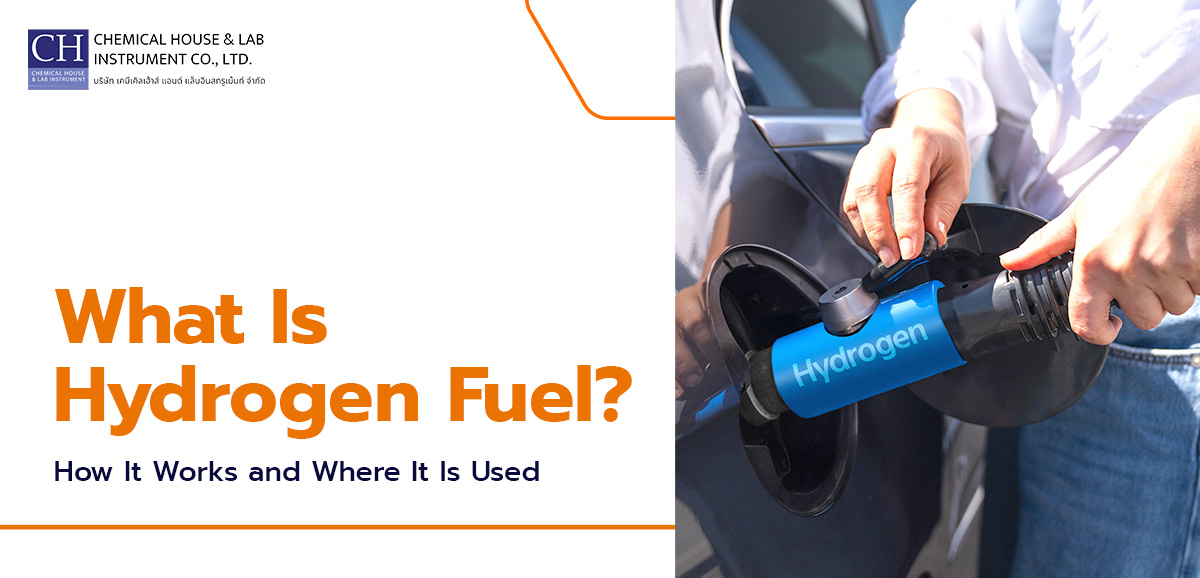
What Is Hydrogen Fuel?
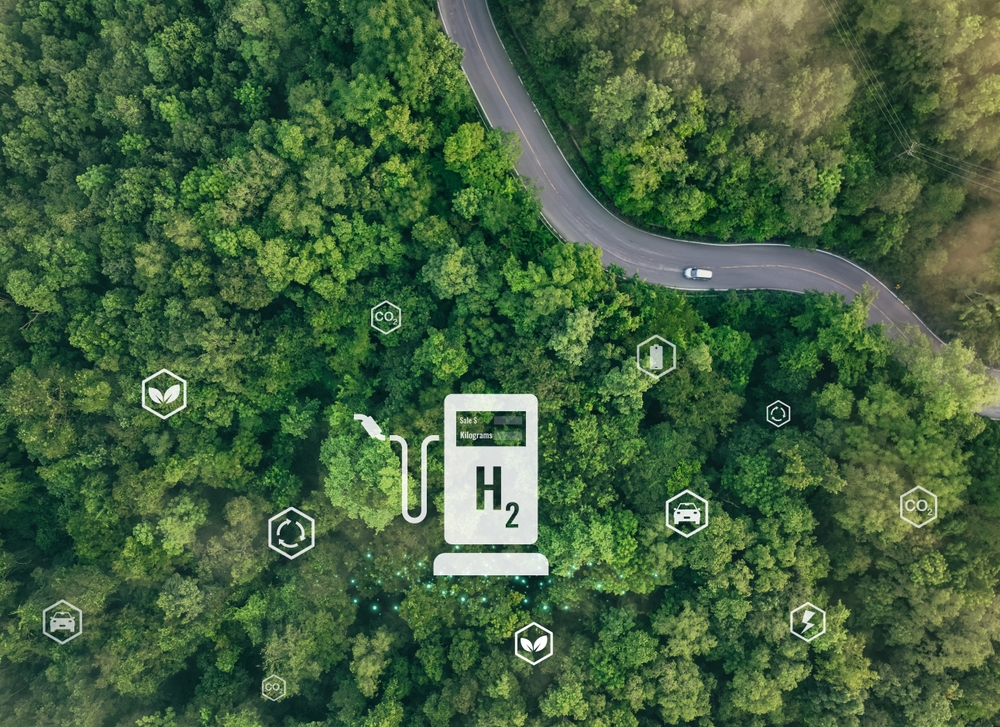
Hydrogen fuel refers to hydrogen that is produced and used as an energy carrier. It can release usable energy through combustion or, more commonly in clean-energy applications, through a fuel cell, which converts hydrogen into electricity through an electrochemical reaction.
Hydrogen contains a high amount of energy by mass, making it useful for applications where high energy demand, long operating times, or energy storage are important. However, because hydrogen does not usually exist freely in nature, it must first be separated from compounds such as water or hydrocarbons before it can be used as fuel.
Basic Properties of Hydrogen
Hydrogen is the lightest chemical element, with the symbol H. It is usually a colorless, odorless gas made of two atoms (H₂).
It is very reactive, so it is rarely found alone in nature. Instead, it is found in water (H₂O), natural gas, and other compounds.
Because of this, hydrogen is an energy carrier, not a primary energy source. It must be produced first before it can be used to store and deliver energy.
What Are the Main Applications of Hydrogen Fuel?
Hydrogen is used in sectors where electrification is difficult or high energy demand is required, including transport, energy storage, industry, and heating.
Transportation
Hydrogen powers fuel cells that generate electricity for electric motors. It is useful where fast refuelling and long range are important.
Key uses:
- Cars (limited markets with refuelling networks)
- Buses and heavy trucks
- Trains on non-electrified routes
- Ships and future aviation fuels
It is seen as a complement to batteries rather than a full replacement.
Electricity Generation and Energy Storage
Hydrogen can store excess renewable electricity by converting it via electrolysis. It can later be turned back into power when needed.
This “power-to-hydrogen” approach is useful for long-term or seasonal energy storage and grid backup.
Industrial Applications
Hydrogen is already widely used in industry and is key for reducing emissions in heavy manufacturing.
Main uses:
- Oil refining (desulphurisation)
- Ammonia and fertiliser production
- Methanol and chemical production
- Low-carbon steelmaking
- High-temperature industrial heat
Heating and Buildings
Hydrogen can be burned for heat in industrial systems and potentially blended into gas networks. However, high blends require infrastructure changes.
It is mainly considered suitable for industrial heating rather than widespread use in buildings, where electrification is often more efficient.
Advantages of Hydrogen Fuel
- Produces water when used in a fuel cell
- Can support renewable energy storage
- Suitable for industries that are difficult to electrify
- Offers high energy content by weight
- Can be transported and stored for future use
Limitations and Challenges of Hydrogen Fuel
- Most hydrogen is still produced from fossil fuels
- Production can require large amounts of energy
- Hydrogen has low energy density by volume
- Storage requires compression, liquefaction, or chemical carriers
- Infrastructure remains expensive and limited
- Hydrogen is highly flammable and requires strict safety controls
Which Industries Are Best Suited for Hydrogen Fuel?
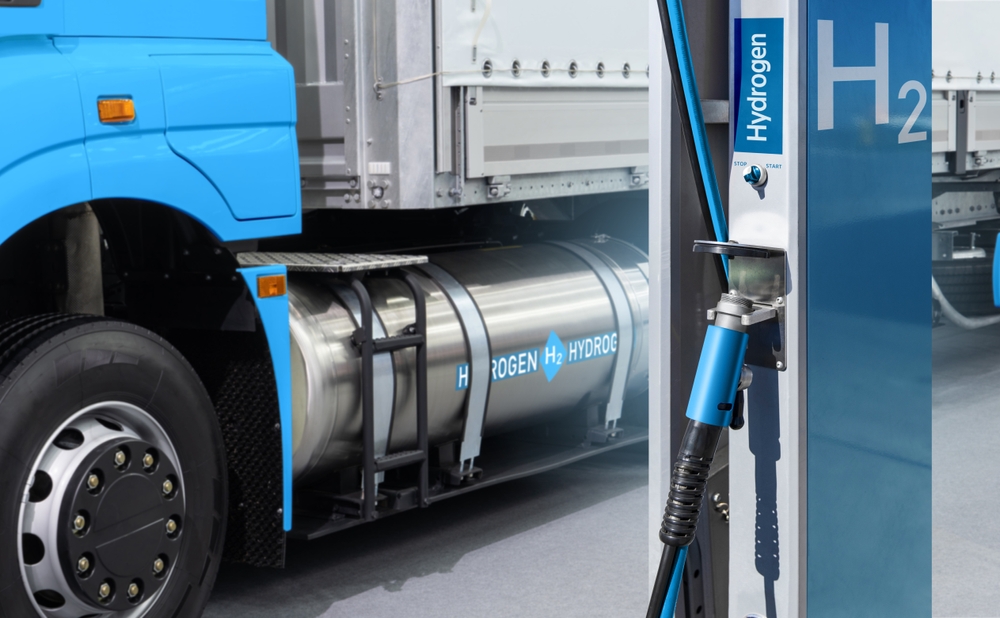
Hydrogen is particularly useful in industries that require large amounts of energy, high-temperature heat, or chemical feedstocks and are difficult to electrify directly. The following sectors are among the most suitable for hydrogen adoption.
Steel and Metal Manufacturing
Hydrogen can be used in steelmaking to reduce iron ore while lowering dependence on coal and other fossil fuels. This makes low-carbon hydrogen an important option for reducing emissions from steel and other energy-intensive metal industries.
Chemical and Fertiliser Production
Hydrogen is already an essential feedstock for producing ammonia, fertilisers, methanol, and other chemicals. Replacing conventional fossil-based hydrogen with low-carbon hydrogen can reduce emissions without significantly changing the role hydrogen already plays in these processes.
Oil Refining and Petrochemicals
Refineries use large amounts of hydrogen for processes such as removing sulphur and upgrading petroleum products. Low-carbon hydrogen can help reduce emissions associated with existing refinery and petrochemical operations.
Heavy-Duty Transportation
Hydrogen fuel cells may be suitable for trucks, buses, and other heavy vehicles that require long operating ranges, high payload capacity, and relatively fast refuelling.
For these applications, hydrogen may complement battery-electric systems where charging time, battery weight, or operating distance becomes a limitation.
Shipping and Aviation
Shipping and aviation are difficult to electrify because they require high energy density over long distances. Hydrogen may be used directly in some applications or converted into fuels such as ammonia, methanol, or synthetic aviation fuels.
These hydrogen-derived fuels are therefore being considered as potential pathways for reducing emissions from long-distance transport.
Power Generation and Energy Storage
Hydrogen can store surplus renewable electricity for later use, making it useful for long-duration and seasonal energy storage.
Stored hydrogen can later be converted back into electricity or used as fuel when renewable generation is low, helping support power-grid stability and energy security.
Cement and High-Temperature Industries
Industries such as cement, glass, ceramics, and other high-temperature manufacturing processes require large amounts of heat that can be difficult to provide through direct electrification alone.
Hydrogen can potentially serve as a low-carbon fuel for some of these thermal processes. However, in industries such as cement, hydrogen can mainly help reduce fuel-related emissions, while emissions created directly by chemical reactions in the production process may require additional technologies to address.
Conclusion
Hydrogen fuel has strong potential to support the transition toward cleaner energy, particularly in heavy transportation, industrial processes, and renewable energy storage where direct electrification can be difficult.
However, hydrogen is not automatically a clean fuel. Its overall sustainability depends largely on how it is produced, the source of energy used during production, and the emissions generated across its supply chain. When produced using renewable or other low-carbon energy sources, hydrogen can play an important role in reducing fossil fuel dependence and supporting a lower-carbon energy system.
Step into the future of industry with Chemical House & Lab Instrument Co., Ltd., a trusted specialist in industrial measurement solutions with a deep understanding of the unique requirements of each manufacturing sector.
We develop and supply a comprehensive range of measurement instruments, from standard gauges to advanced digital systems that can be seamlessly integrated into your existing operations. Our solutions are designed to improve efficiency, enhance process control, and minimize production losses.
We also provide comprehensive after-sales support, including maintenance, calibration, and repair services carried out by our professional team. This helps ensure that your instruments continue to operate reliably and at optimal performance.
Because precision is the foundation of success in every industry.
For inquiries or quotation requests, please contact:
Chemical House & Lab Instrument Co., Ltd.
Tel:: (662) 184-4000 | Call Center: +66 (0)88 088 4399
Authorized Distributor of Testing Instruments
Website: Chemical House & Lab Instrument Co., Ltd.
E-mail: ptsales@chemihouse.com or info@chemihouse.com
Facebook : ch.chemicalhouse
| Line OA Contact us via LINE or scan the QR code below.